
Click To Make A Care Enquiry

Palliative Care

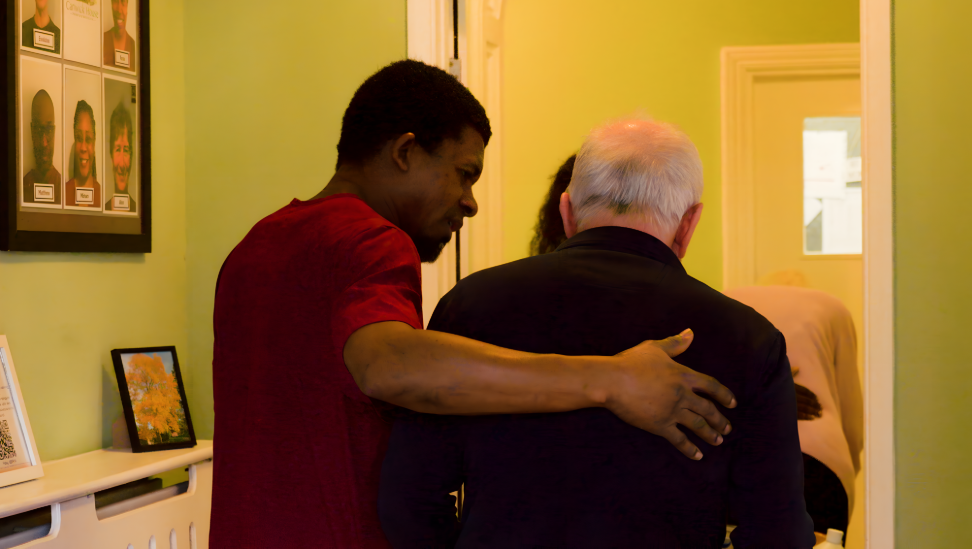
During this precious time, we focus on comfort, dignity and making each day as peaceful as possible. At Canwick House, we provide gentle palliative care in a calm, caring environment where your loved one feels safe and families feel supported.
Palliative Care

What is Palliative care?

Palliative care focuses on comfort, dignity and quality of life when someone is approaching the end of their life. It is about easing discomfort, offering emotional support and helping each day feel as calm and familiar as possible.

At Canwick House, palliative care is delivered in a gentle, homely environment, with care shaped around your loved one and their wishes. We work closely with specialist palliative nurses and local health teams, while keeping everyday life feeling reassuring and unhurried.

Our role is to be present, attentive and supportive, both for your loved one in our care and for your family, offering calm, steady support at a time when it is needed most.
Help & Advice

Compassionate

End-of-Life Care with Dignity
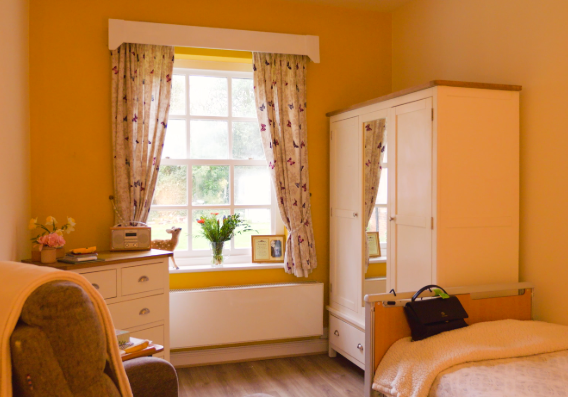
Palliative Care

Who is it for?

Palliative care at Canwick House is for people who are approaching the end of their life and need comfort, reassurance and gentle support in a calm, caring environment.

Families often reach this point when care at home becomes difficult to manage, when hospital visits feel disruptive, or when the focus shifts to limiting discomfort, easing distress and making each day feel as calm and familiar as possible.

Every situation is different. We take time to understand what matters most to you and your loved one, and to talk through whether palliative care at Canwick House feels like the right and supportive next step.

HOME FROM HOME

Find the right Palliative Care home

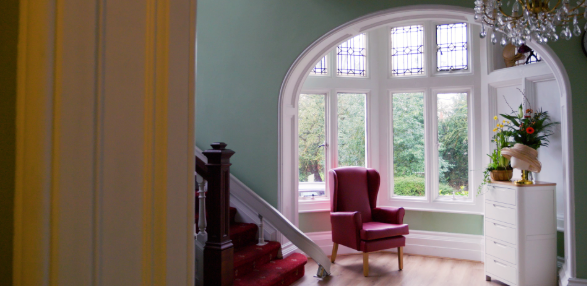
Picturesque village location in the heart of Canwick, Lincoln. A calm, caring home with nearly 40 years' experience, peaceful gardens, and a gentle atmosphere where your loved one can spend their final time with comfort, dignity and family close by.

Palliative Care

Our Approach

At Canwick House, palliative care is centred on comfort, calm and dignity. Our focus is on creating a peaceful, reassuring environment where each person feels settled, cared for and never hurried.

Care is led by a small, familiar team who take time to understand individual wishes and preferences. We work closely with specialist palliative nurses and local health teams, while keeping daily life as gentle and familiar as possible.

We are attentive and present, responding quietly to changing needs and offering steady reassurance. Family members are always welcome and supported to spend time together in whatever way feels right.

Make A Care Enquiry

40 Years

Here, when it matters most

TESTIMONIALS

What people say about us...

Canwick House is more than a care home. My dearly loved friend passed away in their loving care in December 2024 after 8 years as a resident - 8 happy years. Nothing by any of the staff was ever too much whatever I asked, it is indeed a huge team effort committed to the holistic wellbeing. The care delivered with diligence and dignity. I was also very well looked after and was always included at a lunchtime so my friend and I could enjoy lunch together.

SH

Best Friend of Resident

I am truly amazed at the wonderful care given to my family member before he passed away. Nothing was too much trouble. All staff were caring and understanding, it felt like one big family atmosphere. The staff spoke with love and respect. They were moved with care and consideration. The home is clean, tidy and smells nice. Once on end of life care the staff were respectful and tactful and so helpful. Thank you to each and every one of you for all your care, consideration and love.

Family Member of Resident

The care at Canwick House is second to none. The staff are so genuinely caring and kind and the atmosphere is unlike any other care home I have visited; happy, calm, relaxed and well organised. Also, homely. There is an atmosphere of lightness and fun, someone is always laughing somewhere. The residents are well turned out, the house is always clean, there are regular events and activities, and everyone is treated as an individual.

Karen L

Daughter of Resident

We feel very lucky our family member was placed at Canwick House. It has such a lovely atmosphere, looked after by a small group, providing personal touches and a family feel. The staff go out of their way to make all the family welcome on our visits and any special events we are invited to. The staff make sure residents are included in the daily activities. Highly recommend this care home.

Andrea P

Daughter of Resident

The important questions

How do you manage pain and symptoms in palliative care?

Our priority is keeping your loved one as comfortable as possible. We work closely with specialist palliative care nurses, GPs and the local community health team to ensure pain and symptoms are managed effectively and promptly. Our team are trained to recognise signs of discomfort and respond quickly, whether that's administering prescribed medication, adjusting positioning for comfort, or simply offering reassurance and a calm presence. Medication is reviewed regularly and adjusted as needed. For breakthrough pain or sudden changes, we can access support from palliative care specialists quickly. We also focus on non-medical comfort measures – a cool flannel, gentle repositioning, a quiet room, or simply sitting with someone. We keep families informed about symptom management and involve you in decisions about care, always respecting your loved one's wishes and dignity.

Can family stay overnight during palliative care?

Yes, absolutely. We understand how important it is to be close to your loved one during this time, and we actively encourage families to spend as much time here as they wish, day or night. We have facilities for family members to stay overnight if they'd like to be nearby. We can provide a comfortable chair in your loved one's room, or arrange a separate space where you can rest whilst remaining close. Our team will bring you tea, coffee and light refreshments, and we'll make sure you're kept informed of any changes throughout the night. There's no visiting schedule during palliative care – you're welcome whenever you want to be here. Many families find comfort in being present, whilst others prefer to visit during the day and trust us to provide care overnight. Whatever feels right for you is absolutely fine.

What happens in the final days and hours?

As someone approaches their final days, we increase our presence and attention, checking in more frequently and ensuring they're never alone unless the family wishes to have private time together. We focus on maintaining comfort and dignity – keeping your loved one clean, comfortable and pain-free, speaking gently even if they can't respond, and creating a peaceful atmosphere in their room. We'll keep you informed of changes as they happen, so you can be here when it matters most. If you can't be present, we ensure someone from our team sits with your loved one so they're not alone. After death, we give you as much time as you need with your loved one in private. We'll handle all necessary arrangements with gentleness and respect, and support you through the practical steps that follow.

What funding and support is available for palliative care?

Funding for palliative care can come from several sources, and we'll help you navigate this at what's already a difficult time. Some people with complex palliative care needs may be eligible for NHS Continuing Healthcare (CHC) funding, which covers the full cost of care. Your GP or hospital team can help with the assessment process for this. If NHS funding isn't available, palliative care is typically self-funded, with weekly fees starting from £1,200 depending on individual needs. Some local authorities may contribute to costs if your loved one meets certain criteria. The most important thing is ensuring your loved one is comfortable and well cared for during this precious time. We'll talk you through the costs openly and help you understand what financial support might be available.
news & articles

What's happening in our homes